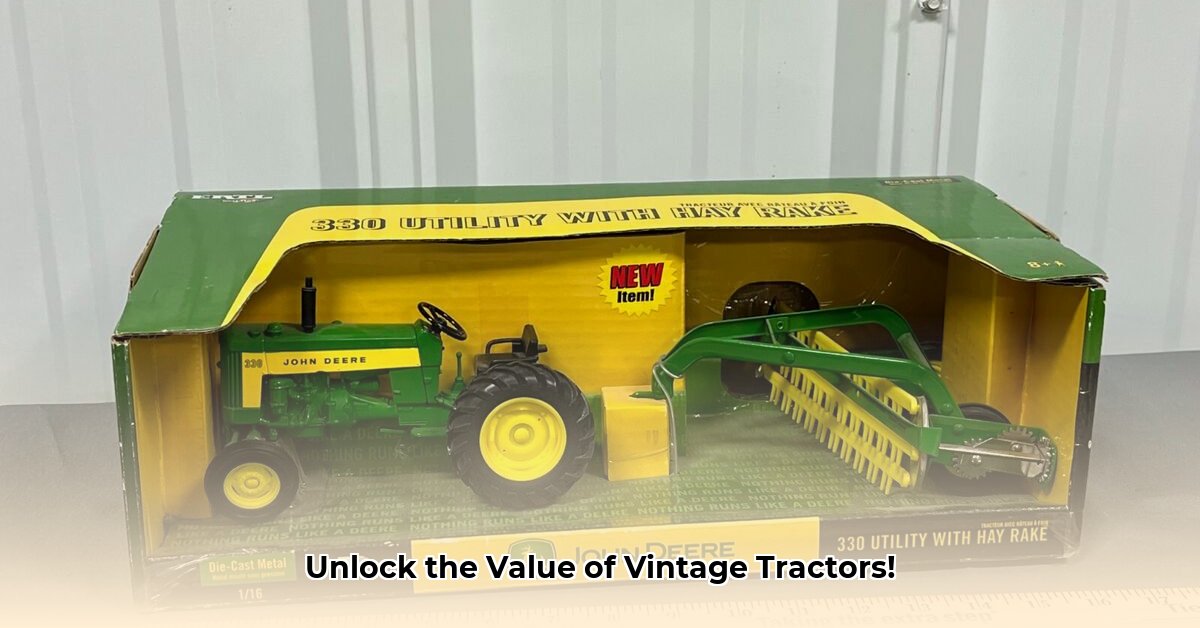
Die-Cast Toy Tractors: A Collector's Deep Dive
The world of miniature farm equipment transcends simple play; it's a dynamic collector's market brimming with history, passion, and surprising investment potential. These aren't your average plastic toys. We're talking meticulously crafted die-cast metal replicas of iconic tractors – tiny testaments to engineering and agricultural heritage. This guide explores this fascinating field, from understanding value to building a prized collection. For examples of vintage tractors, see this resource on vintage John Deere tractors.
The Enduring Appeal of Tiny Titans
Why the enduring fascination? It's multifaceted. For many, it's nostalgia – a potent connection to childhood memories of farm visits or the simple joy of playing with these detailed models. For others, it's the artistry: the intricate detail, the accurate reproduction of iconic features, the satisfying weight of the metal. These aren't just toys; they are miniature works of art, replicating the power and grace of their full-size counterparts. Finally, there's the thrill of the hunt – the excitement of finding that elusive, rare model.
Isn't it fascinating how such small objects can evoke such profound emotions? Does this shared passion explain the market's surprising strength?
The Market: A Field of Dreams (and Dollars)
The market for 1:64 and 1:32 scale die-cast tractors thrives. Major brands like John Deere, Case IH, and New Holland consistently top collectors' lists. Online retailers, specializing in these collectibles, showcase vast inventories reflecting the community's enthusiasm. These online marketplaces offer a diverse range of models from various manufacturers and eras, providing a fascinating glimpse into the history of agricultural machinery.
Limited edition releases, often labeled "Prestige Edition" or "Farm Show Edition," generate intense interest and command significantly higher prices. These exclusive models are holy grails for serious collectors, and their value can appreciate substantially over time. These limited runs fuel the passion and drive competition. Don't these exclusive models represent a fascinating intersection of hobby and investment?
Geographic Hotspots: Where the Action Is
The concentration of die-cast tractor retailers in certain areas—Midwestern states, for example—highlights the regional strength of this hobby. These shops are often integral to their local communities, participating in toy shows and cultivating loyal customer bases. This regional focus underscores the human element, emphasizing the importance of personal connections, community events, and the shared passion that unites enthusiasts. Does this regional clustering hint at untapped market potential in other areas?
The Investment Angle: A Calculated Gamble
Investing in die-cast toy tractors offers rewards, but it carries risk. Prices fluctuate based on rarity, condition, and market demand. A pristine, limited edition model in its original box can appreciate significantly, similar to rare stamps or coins. However, other models might maintain stable value or decline. It's a balance between passion and strategy, demanding a keen eye for desirability and trends. Does the potential for appreciation outweigh the inherent risk?
Strategies for Success: Advice for All Players
Success in this market depends on understanding its nuances and adopting smart strategies. The following outlines approaches for different stakeholders:
| Stakeholder | Short-Term Strategies | Long-Term Strategies |
|---|---|---|
| Collectors | Attend local shows, join online communities, focus on specific brands, target limited editions. | Diversify portfolios, research market trends, consider professional storage for valuable pieces, network with other collectors. |
| Retailers | Improve online presence, participate in shows, build strong supplier relationships. | Expand product lines, explore new sales channels (e.g., online auctions), enhance customer service. |
| Manufacturers | Use high-quality materials, focus on detailed models, collaborate with agricultural companies, create exclusive limited editions. | Invest in innovative techniques, explore new toy lines based on collector feedback, market creatively. |
Navigating Challenges: Potential Pitfalls
Challenges exist; supply chain disruptions affect availability. Demand fluctuations, influenced by trends and popular brands, impact pricing. Counterfeit products pose a risk for collectors and retailers. Building strong relationships with reputable suppliers and staying informed about market trends are crucial. Could blockchain technology provide authentication and reduce the risk of counterfeit products?
More Than Just Metal: A Community and a Legacy
The world of die-cast toy tractors is a vibrant community, a celebration of agricultural history, and an intriguing investment opportunity. It's an intersection of nostalgia, skillful craftsmanship, and a growing market. Understanding market dynamics, the subtleties of collecting, and adopting a strategic approach leads to success for all stakeholders. This is a passionate community, and engaging with that aspect is key to success.
How to Invest in Rare 1/64 Scale Farm Toy Collectibles
Key Takeaways:
- Established brands (ERTL, SpecCast) generally hold higher value.
- Limited editions and pristine condition significantly impact worth.
- Vintage pieces (pre-1980s) often appreciate due to rarity and nostalgia.
- Online marketplaces (eBay) are primary sales channels.
- Careful research and authentication are crucial to avoid counterfeits.
- Market volatility requires a diversified investment strategy.
- Understanding condition and grading systems is essential.
- Consider emerging trends (e.g., sustainable farming).
Understanding the Market
Investing in rare 1/64 scale farm toy collectibles blends nostalgia with investment potential. But it’s not about buying any tractor; rarity and brand recognition are crucial. Think of it as a miniature farm economy: supply and demand dictate value. Rare models, especially limited editions, are highly sought after. Specific brands like ERTL and SpecCast command higher prices due to their reputation for quality and detail.
Identifying Valuable Pieces
Several factors influence a toy's worth:
- Brand Recognition: ERTL and SpecCast are leading brands, but lesser-known brands with historical significance can also be valuable.
- Condition: Mint-condition toys in original boxes fetch premium prices.
- Rarity: Limited edition releases are highly sought after due to low production numbers.
- Age: Older toys (pre-1980s) often hold significant sentimental value and command higher prices.
Navigating the Sales Landscape
Online marketplaces like eBay are key hubs. Thorough due diligence is vital. Carefully examine high-quality photos and detailed descriptions. Check seller ratings and be wary of counterfeit items. Patience is essential to avoid costly mistakes.
Building Your Collection
Building a collection is a marathon, not a sprint. Focus on specific areas (brands, eras). Join online forums to network and discover unique pieces. Diversify your investments to mitigate risk.
Long-Term Strategies
Long-term success involves:
- Diversification: Collect across brands and eras.
- Emerging Trends: Consider the growing interest in sustainable agriculture. Could toys representing this have future value?
By combining knowledge, patience, and a keen eye for detail, you can build a rewarding—and potentially lucrative—collection. This field blends passion and savvy financial decisions. Thorough research is key.